

Group activities
2026 Scientific Conference: Advancing Clinical Knowledge and International Standards in Medical Practice
A prestigious scientific forum bringing together leading healthcare experts from Vietnam and around the world to exchange knowledge and explore the application of emerging technologies in clinical practice.
The 2026 Scientific Conference, organized by Medical Saigon Group (MSG), concluded successfully, bringing together more than 600 ophthalmologists, clinicians, and healthcare professionals from Vietnam and abroad to engage in scientific discussions and share the latest advances in ophthalmology and clinical practice.
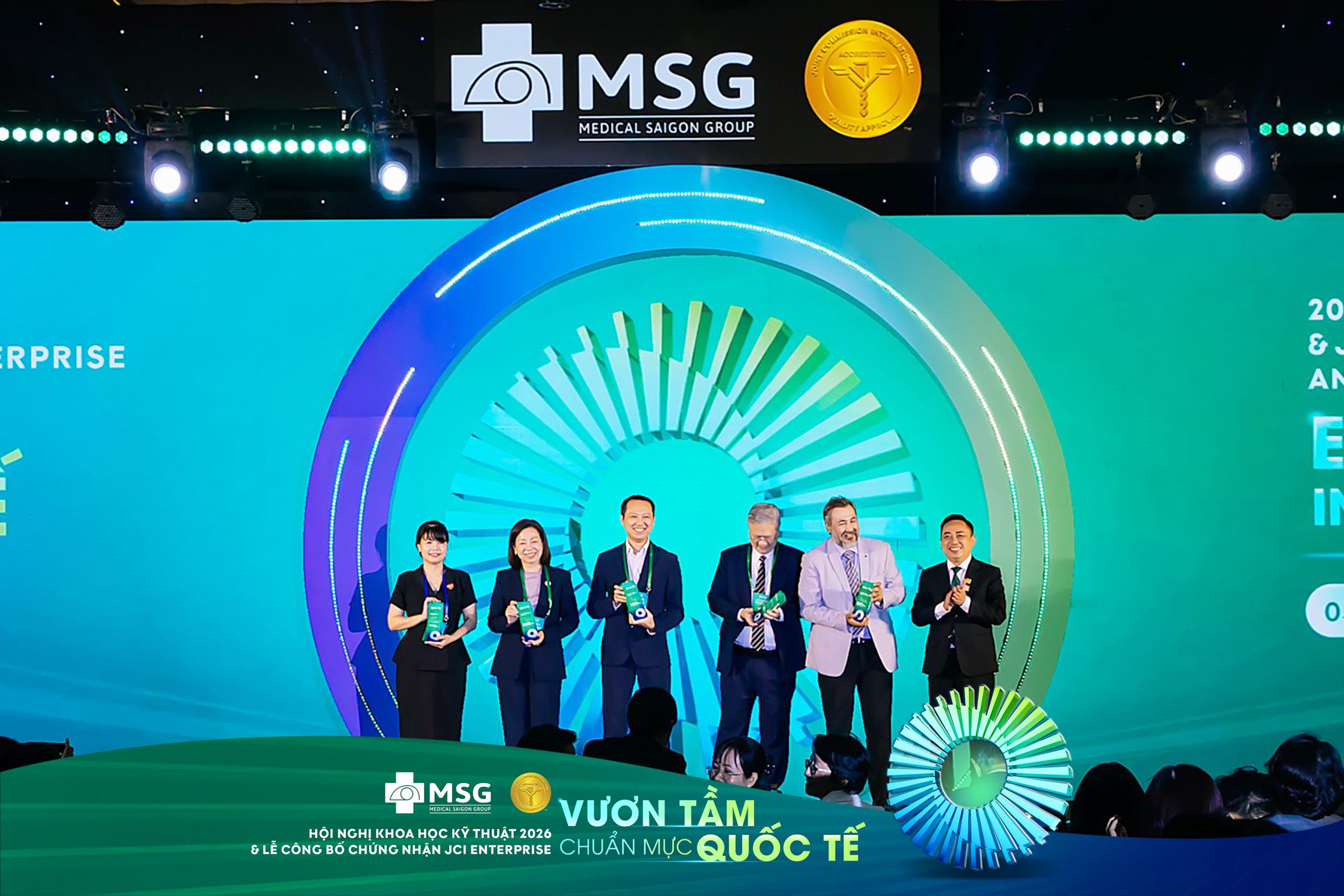
Dr. Hoang Trung Kien, Group Chief Medical Officer at Medical Saigon Group (MSG), presented commemorative plaques to the international faculty members.
Beyond serving as an in-depth scientific forum showcasing the latest advances in ophthalmic care, the conference also underscored Medical Saigon Group’s leadership in healthcare quality. During the event, Medical Saigon Group and the Saigon Eye Hospital System were honored as the world’s first ophthalmology healthcare system to receive JCI Enterprise Accreditation. This globally recognized achievement reflects the Group’s commitment to a rigorous clinical risk management framework, providing a strong foundation for the safe adoption and implementation of advanced medical knowledge and innovative technologies in clinical practice.
A New Milestone in Corneal Transplantation: Safer, More Effective, and Technology-Driven Care
One of the conference’s most anticipated presentations was delivered by Professor Marcus Ang, MD, PhD, Senior Consultant at the Singapore National Eye Centre (SNEC) and President of the Singapore Society of Ophthalmology. A leading authority in corneal transplantation, Professor Ang previously served as an Honorary Consultant at Moorfields Eye Hospital in London, United Kingdom—one of the world’s most prestigious ophthalmic institutions. He has authored more than 215 peer-reviewed scientific publications, making significant contributions to the advancement of corneal diseases and transplantation worldwide.
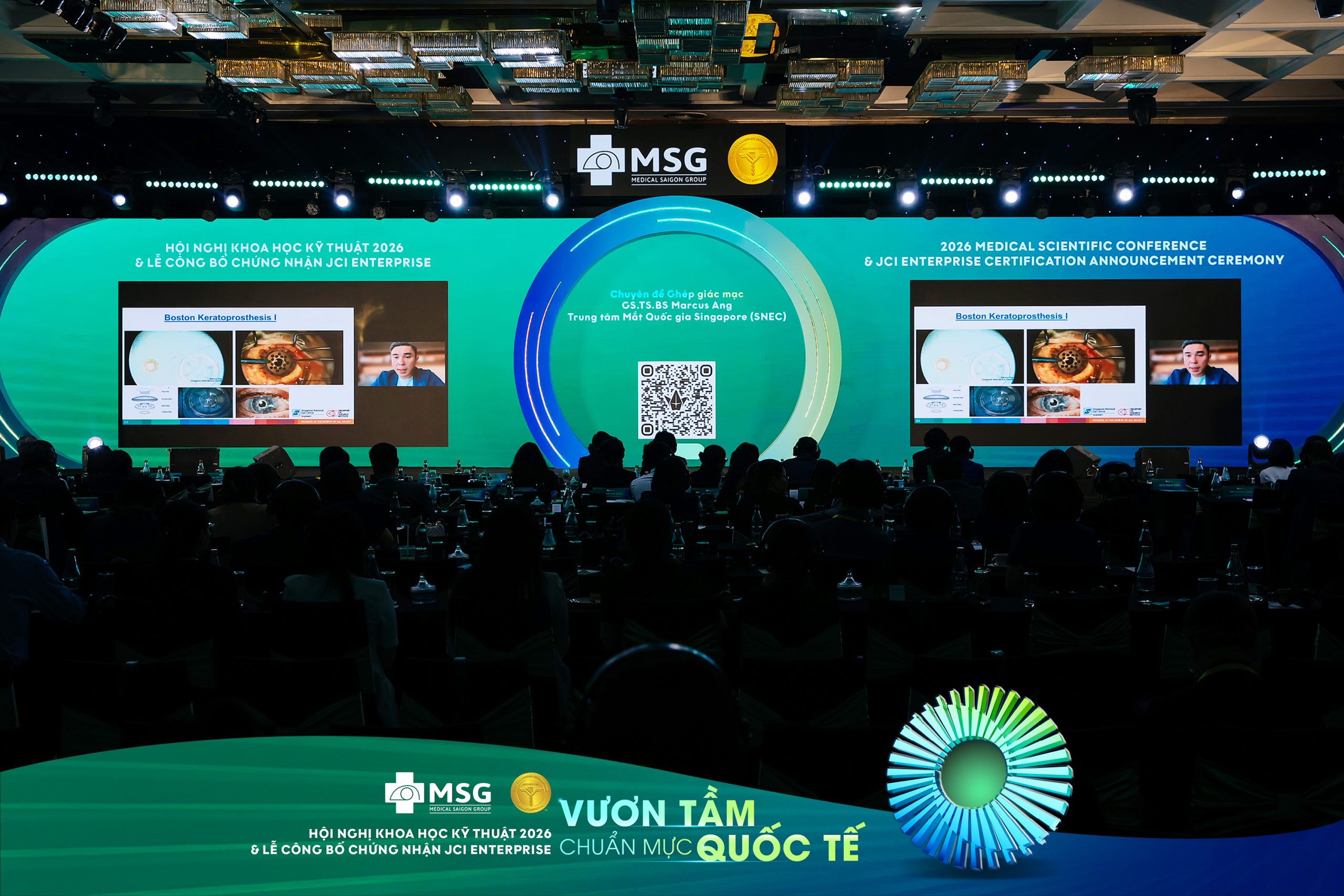

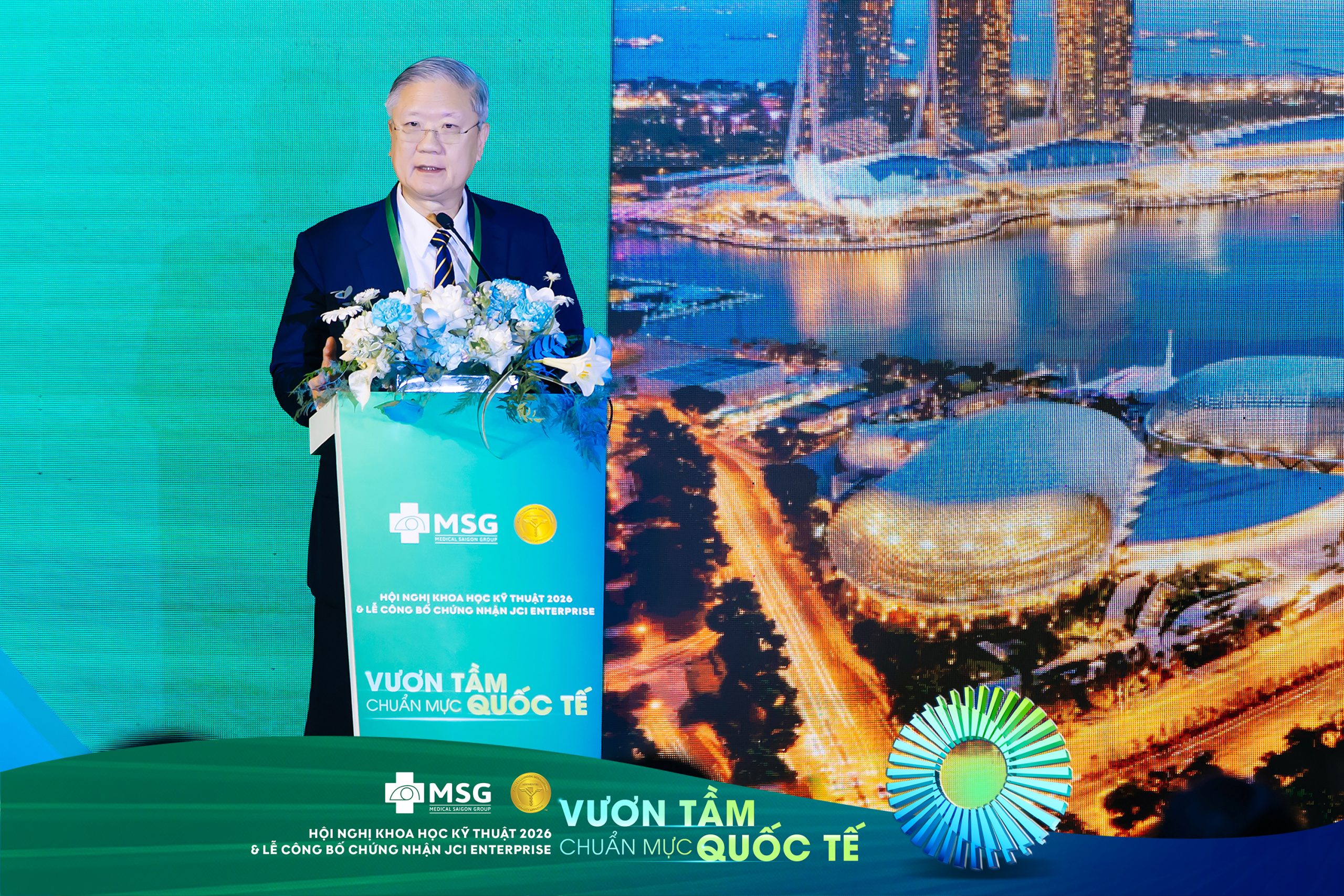
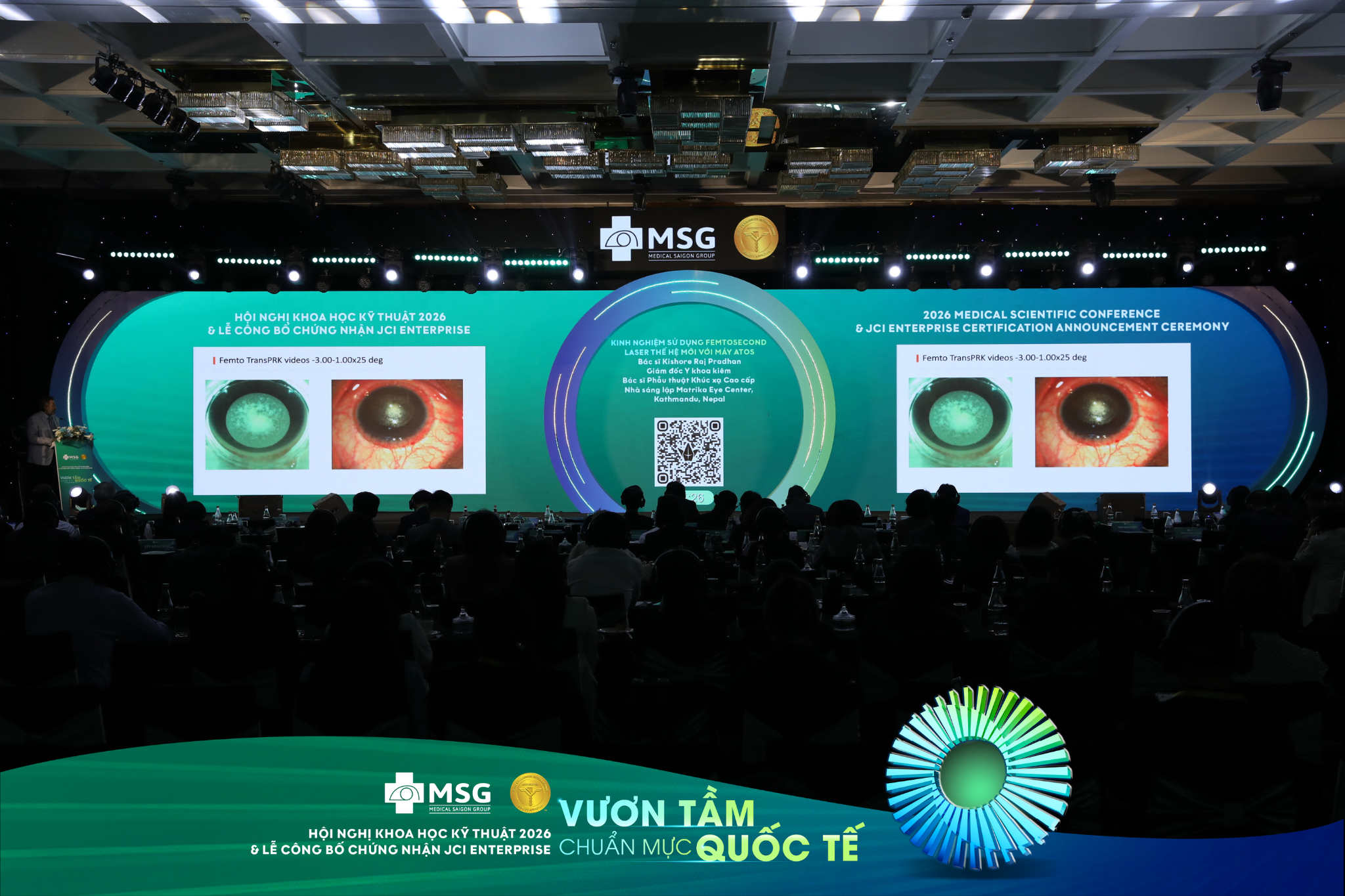
Dr. Jerry Tan shared advanced solutions in “virtual surgery” and personalized refractive procedures for complex corneal cases.
Advanced Personalization with Excimer Laser Technology. Dr. Jerry Tan is one of the pioneers who introduced LASIK surgery to Singapore, performing the country’s first LASIK procedure in 1996. To date, he has performed more than 13,000 refractive surgeries, providing advanced solutions for challenging cases through surface ablation techniques, including Customized Wavefront-Guided TransPRK (CWFG TransPRK).
Leveraging Total Corneal Wavefront measurements obtained from the MS-39 anterior segment optical coherence tomography (OCT) and corneal analysis platform, Dr. Tan utilizes Smart Foresight software to perform “Virtual Surgery” simulation. This technology enables precise prediction of postoperative corneal morphology and visual outcomes, playing a critical role in the management of irregular corneas, keratoconus (KCN), and the correction of complex higher-order aberrations (HOAs) such as glare and night halos resulting from previous refractive procedures.
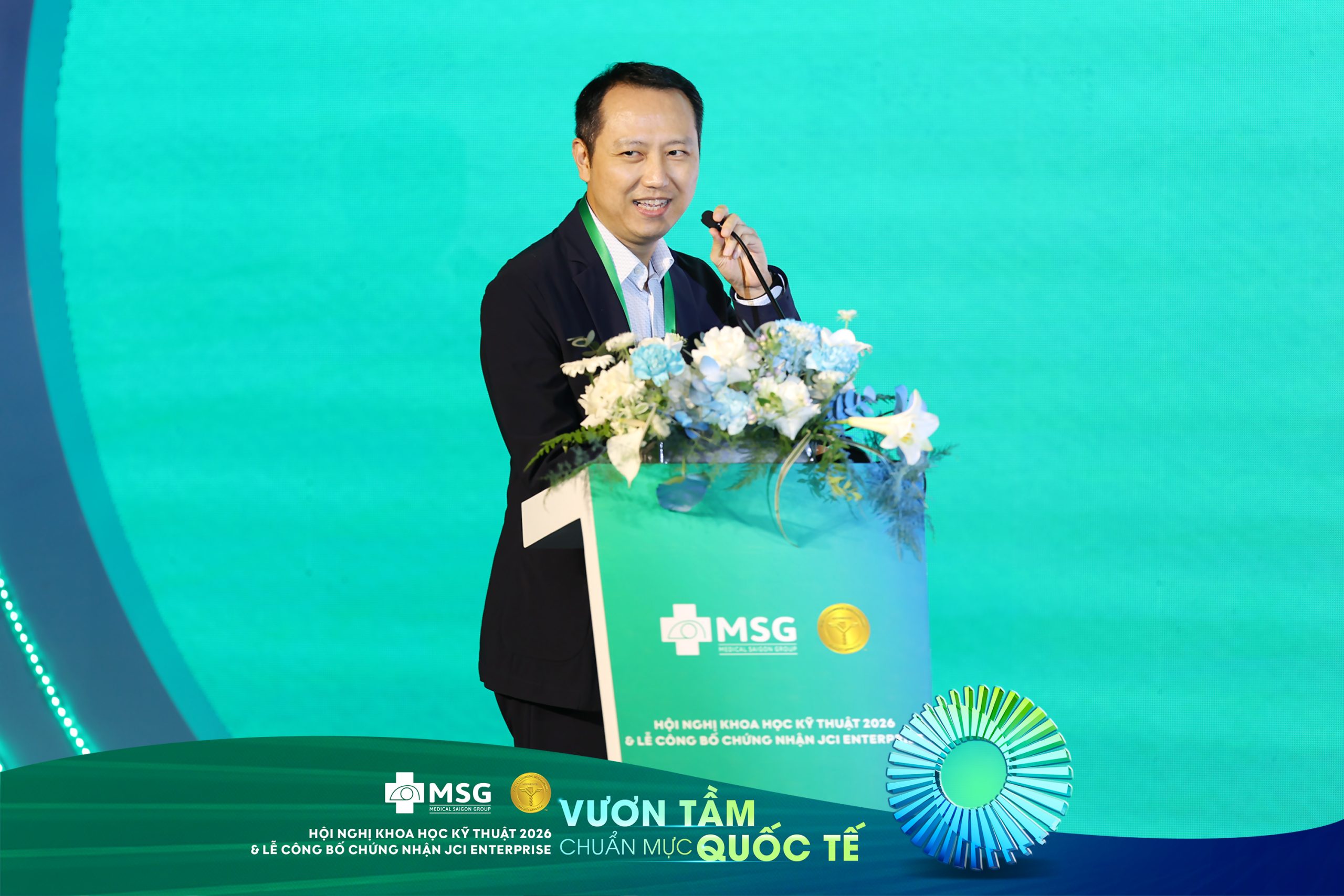
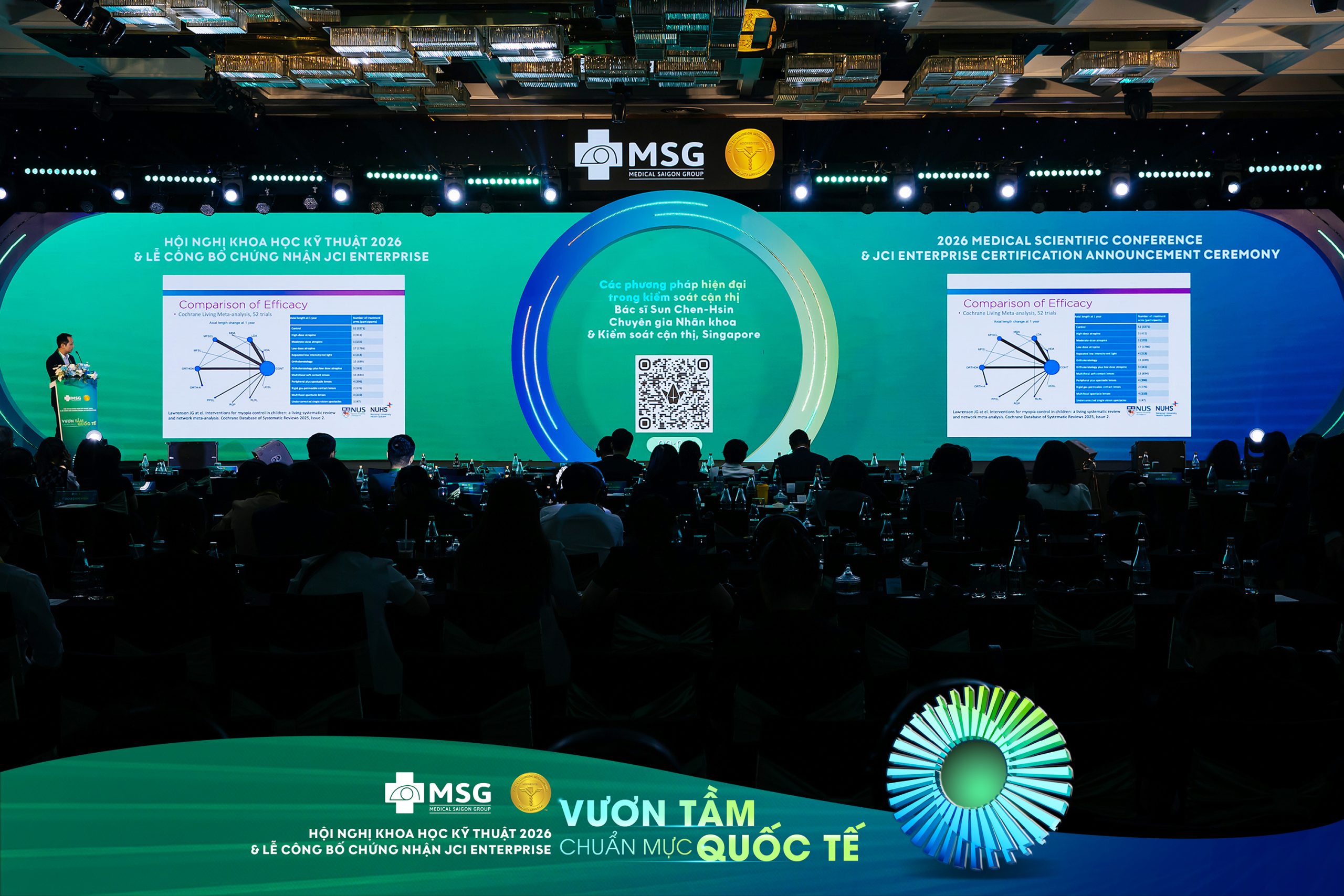
Dr. Sun Chen-Hsin presented an alarming epidemiological overview of the rising prevalence of myopia across Asia, including Vietnam. Recent studies have reported myopia prevalence rates ranging from approximately 37–51% among students in Hanoi and 53–75% among students in Ho Chi Minh City, highlighting the growing burden of myopia among school-aged children in Vietnam.
Standardizing Dry Eye Disease Management Through Objective Diagnostics and Multimodal Treatment Approaches
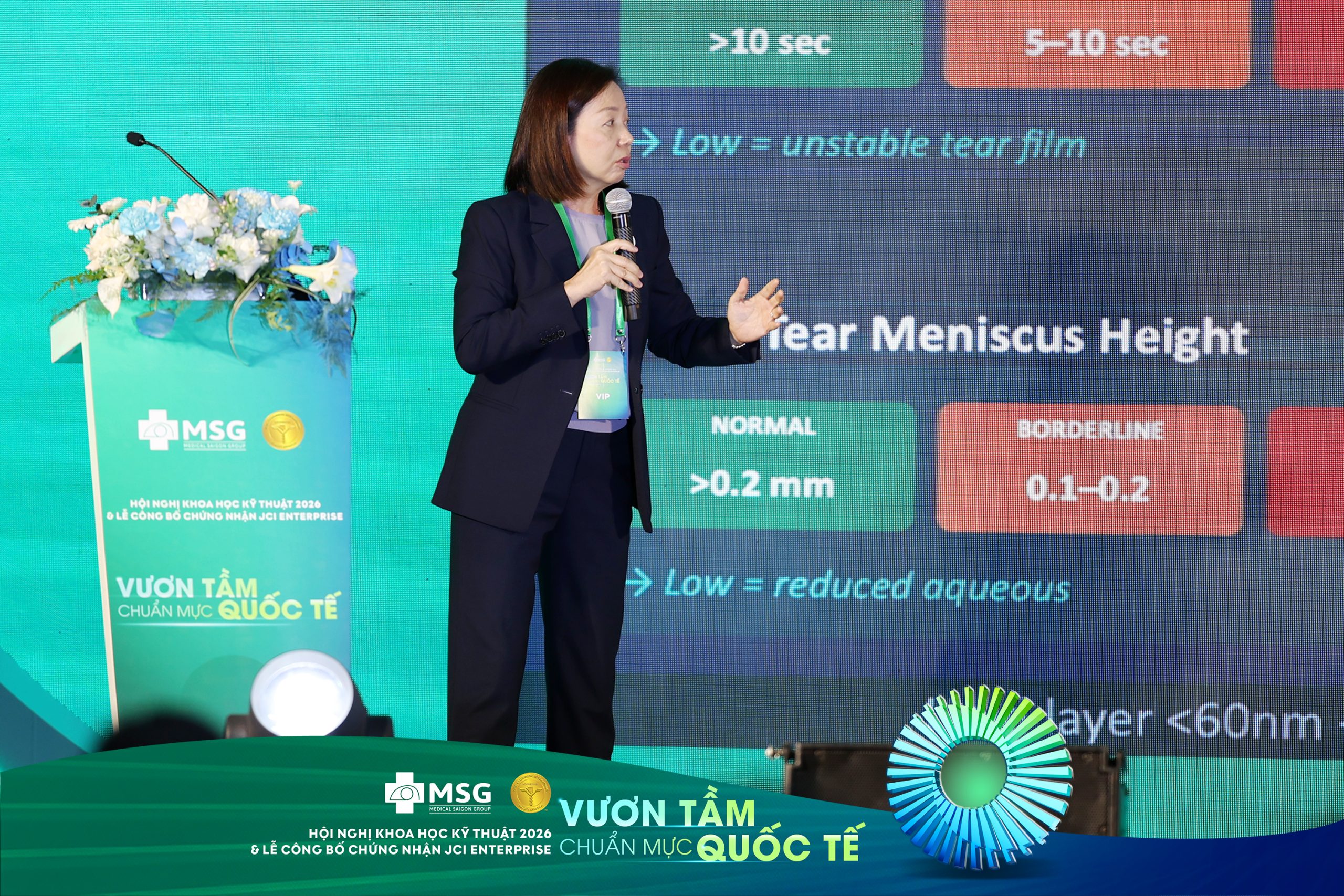
The session on standardizing dry eye disease management through objective diagnostics and multimodal treatment approaches attracted significant interest from conference participants.
A key focus of the approach is the objective assessment of ocular surface status before initiating treatment. Based on these diagnostic findings, ophthalmologists can develop a structured, stepwise treatment protocol combining eyelid hygiene, warm compress therapy, and, most importantly, intense pulsed light (IPL) therapy. IPL helps improve meibomian gland function, reduce ocular surface inflammation, and restore tear film stability, with studies reporting that up to 75% of patients experience improvement in dry eye symptoms following treatment.
This comprehensive protocol not only addresses dry eye disease (DED) but also plays an important role in optimizing the ocular surface prior to refractive surgery and cataract surgery, thereby improving surgical outcomes and patient satisfaction.
Optimizing Energy Efficiency in Cataract Surgery with FLACS
Drawing from clinical practice in Vietnam, the study presented by Dr. Nguyen Thi Xuan Huong (Cao Thang Ophthalmology Hospital – a member of Medical Saigon Group) provided a detailed analysis of the effectiveness of Femtosecond Laser-Assisted Cataract Surgery (FLACS) compared with conventional phacoemulsification (Phaco) techniques in cataract treatment.
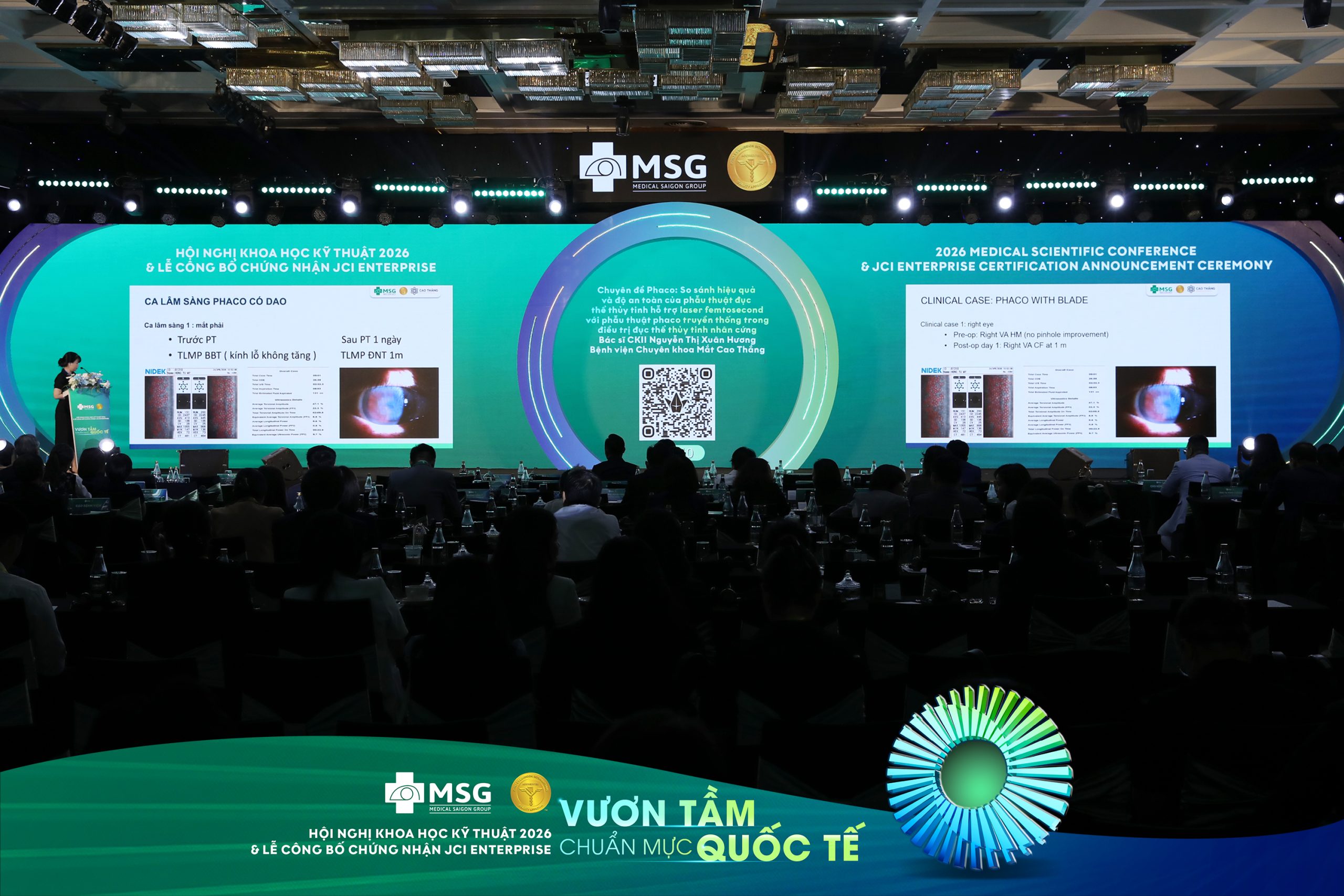
Dr. Nguyen Thi Xuan Huong, Specialist Level II, presented clinical research on energy optimization in cataract surgery using FLACS technology.
By utilizing femtosecond laser technology to pre-soften the crystalline lens nucleus prior to surgery, this advanced approach reduced the amount of ultrasound energy required during cataract surgery by 31.6%. As a result, patients demonstrated clearer vision on the first postoperative day, reduced corneal edema, and better preservation of corneal endothelial cell integrity.
When Medical Knowledge Advances Alongside Safety Standards
The international expertise and clinical insights shared throughout the conference demonstrated that the 2026 Scientific Conference was not only a platform for exchanging global clinical experience and technological advancements, but also a strong reflection of Medical Saigon Group’s vision for modern healthcare development.
Successfully translating medical innovations into improved real-world patient care requires a highly rigorous foundation of governance, quality management, and operational excellence. The synergy between the Group’s commitment to advancing academic excellence and its achievement of JCI Enterprise Accreditation for global quality and risk management standards represents a powerful affirmation: every medical advancement and technology adopted within the healthcare system is rigorously evaluated and governed according to the world’s most stringent safety standards, ensuring sustainable treatment value and improved outcomes for patients in Vietnam.
Tin tức liên quan
Group activities
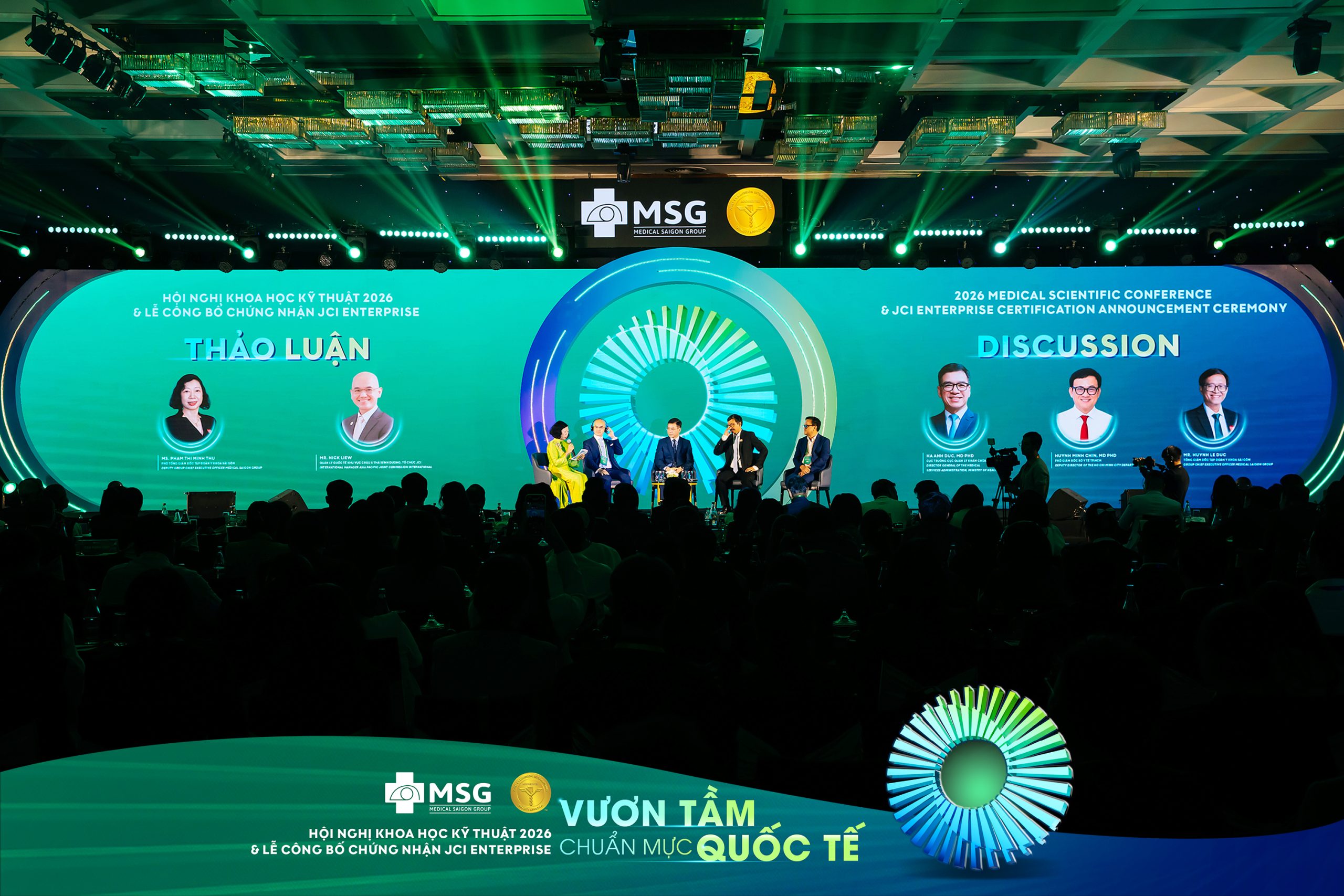
A Dialogue Between Policy, International Standards, and Hospital Operational Realities
A special panel discussion at the 2026 Scientific and Technical Conference convened representatives from the Ministry of Health, the Ho Chi Minh City Department of Health, Joint Commission International (JCI), […]
Group activities
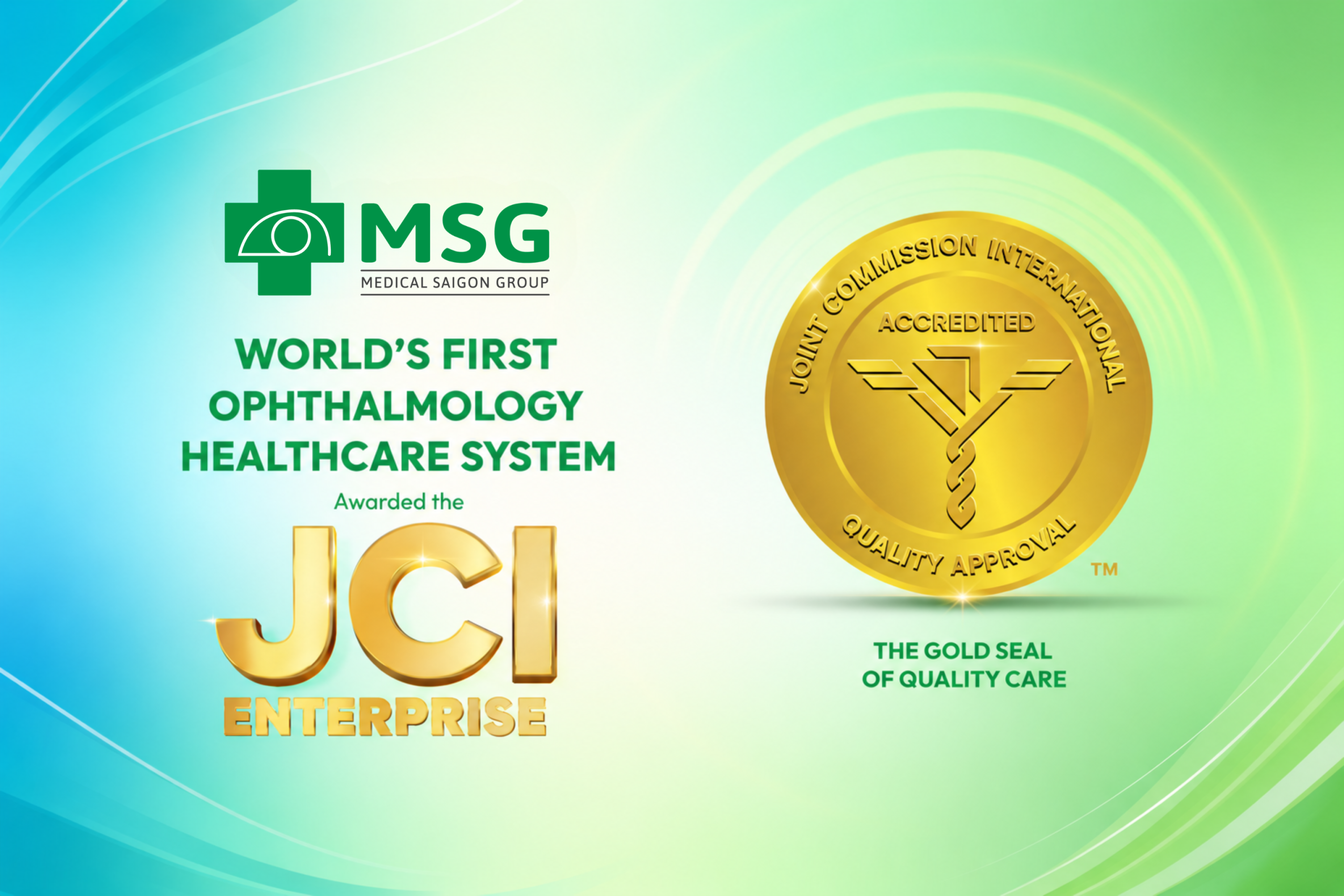
Medical Saigon Group (MSG) has set a new milestone for Vietnam’s healthcare sector by becoming the world’s first ophthalmology healthcare system to achieve JCI Enterprise accreditation. At the same time, […]

Group activities
Saigon Medical Group Partners with Harvard Business School’s FIELD Global Capstone 2026
As part of the FIELD Global Capstone 2026 – Harvard Business School’s global immersion program – Saigon Medical Group (MSG) partnered with Harvard MBA talents to explore one of the […]

Group activities
Grand opening of Saigon Eye Clinic – Phub Yen: Expanding the vision care journey in Dak Lak
On January 16, 2026, Sai Gon Eye Hospital System officially inaugurated its 23rd member – Sai Gon Eye Clinic Phu Yen in Dak Lak. This marks a significant milestone in […]

Group activities
OFFICIAL OPENING OF SAIGON EYE HOSPITAL – KIEN GIANG
On the morning of January 10, 2026, Saigon Eye Hospital Kien Giang held a grand opening ceremony in Rach Gia Ward, Kien Giang Province. This significant milestone marks the official […]

Group activities
Saigon Medical Group (MSG) and Orient Commercial Joint Stock Bank (OCB) have officially established a comprehensive strategic partnership. This agreement aims to fully exploit their potential while steering towards the […]